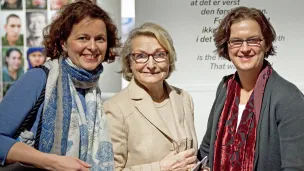
How can gender perspectives be coaxed into a world of male researchers? The gender group at the Peace Research Institute Oslo (PRIO) did it by knocking on doors and demanding new ways of thinking.
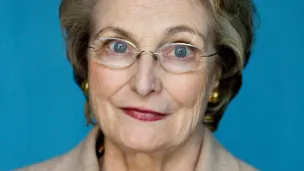
State feminism. Gender quotas. Women’s research. Nobody can say that political scientist and gender equality strategist Helga Hernes (77) hasn’t left any traces behind.
Rape camps, sexual torture and gang rape. In times of war some men become brutal assailants. Many people have asked why this is so. Psychologist Inger Skjelsbæk wants to ask the perpetrators themselves.
Ten years after UN Security Council Resolution 1325 on women, peace and security was adopted by the UN Security Council, the issue of the role of women in war and conflict has achieved a prominent place on the international agenda. Researcher Torunn Tryggestad is concerned that the intense focus on sexual violence weakens the implementation of other crucial aspects of the resolution.
Internally displaced women in Colombia are organizing themselves to secure their rights to housing, education and health care. But along with this come threats, violence and dissatisfied husbands. Is it worth it?
“Women are peace-loving.” “Women are problem-solvers.” “Women are more empathetic than men.” Arguments such as these are often used to advocate for women’s participation in military operations. This is a risky road to go down, according to researcher Kathleen Jennings.
Women and men, boys and girls may have different needs and personal resources in a crisis situation. But how easy is it for humanitarian aid workers to remember this when they are surrounded by people in crisis?
In DR Congo, 30 to 40 percent of the child soldiers are girls. They experience more sexual abuse and stigmatization and they receive less help than the boy soldiers. In spite of this, the girls get far less attention from the international community.